Foot pain is no longer something people are willing to ignore. From long work shifts to daily walking routines, more individuals are beginning to realize that traditional shoes may actually be part of the problem rather than the solution. Tight toe boxes, rigid soles, and elevated heels have quietly altered natural movement patterns for years, often leading to discomfort that builds up over time.
This is where Barefoot Shoes step into the spotlight.
Instead of forcing the foot into an unnatural shape, barefoot footwear is designed to restore how your feet were meant to move. The concept is simple but powerful: allow your feet to function naturally, just like walking barefoot, while still providing protection from the ground. This approach is gaining serious attention in 2026, not just among athletes but also among everyday people who want comfort without compromise.
What makes this shift even more interesting is how quickly minimalist footwear is becoming a mainstream solution. People dealing with common issues like plantar fasciitis, poor posture, or long-standing foot fatigue are actively searching for alternatives that go beyond temporary fixes. Barefoot shoes are being recognized as a smarter, long-term approach focused on alignment, flexibility, and natural support.
Barefoot Shoes stand out within this growing category by combining modern design with the core principles of natural movement. They are not just another pair of casual shoes. They represent a transition toward healthier walking, better posture, and improved comfort throughout the day.
Rather than relying on bulky cushioning or stiff support systems, these shoes work by encouraging your feet to strengthen themselves. This subtle but important difference is why many users report a noticeable change not only in how their feet feel, but also in how they move, stand, and carry themselves over time.
In a world where mobility directly affects quality of life, choosing the right footwear is no longer a small decision. It becomes a foundation for daily comfort, long-term health, and overall freedom of movement.
And that is exactly why barefoot shoes are no longer a niche trend. They are quickly becoming a practical upgrade for anyone who wants to walk, stand, and live without constant foot discomfort.
What Are Barefoot Shoes? (Barefoot Shoes Reviews)
Barefoot shoes are a modern category of footwear designed to replicate the natural feeling of walking barefoot, while still offering protection from rough or unsafe surfaces. Unlike traditional shoes that rely heavily on thick cushioning, raised heels, and rigid structures, barefoot shoes are intentionally built to be lightweight, flexible, and minimally restrictive.
At their core, barefoot shoes are about restoring natural foot function.
Instead of forcing your feet into a fixed shape, they allow your toes to spread, your arch to move naturally, and your stride to adjust the way your body was originally designed to move. This creates a more grounded walking experience where your feet actively participate in balance, stability, and motion.
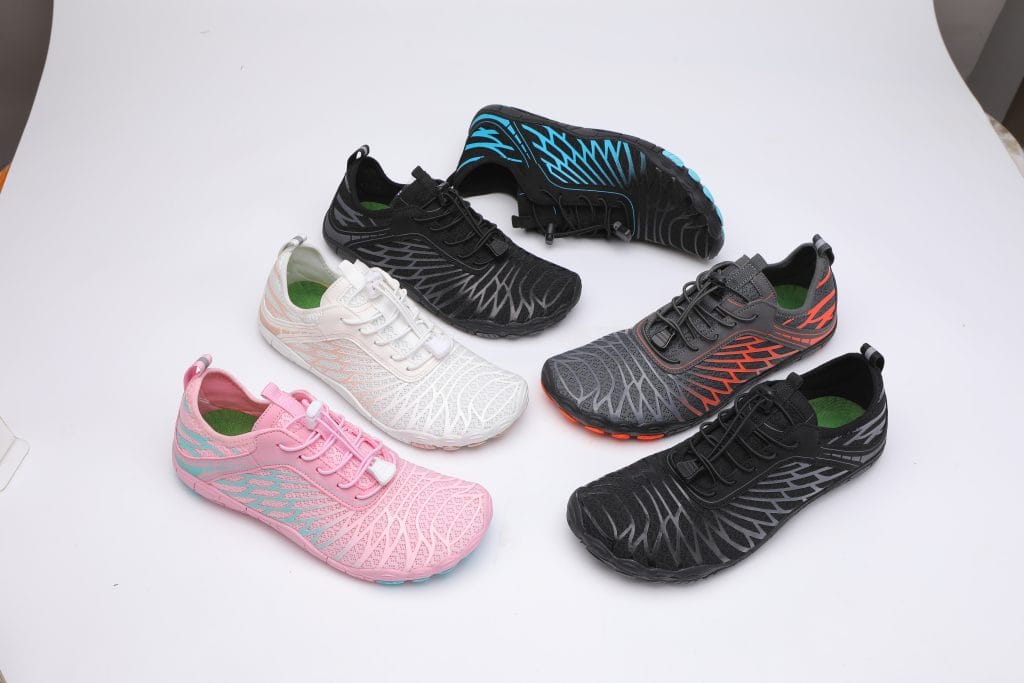
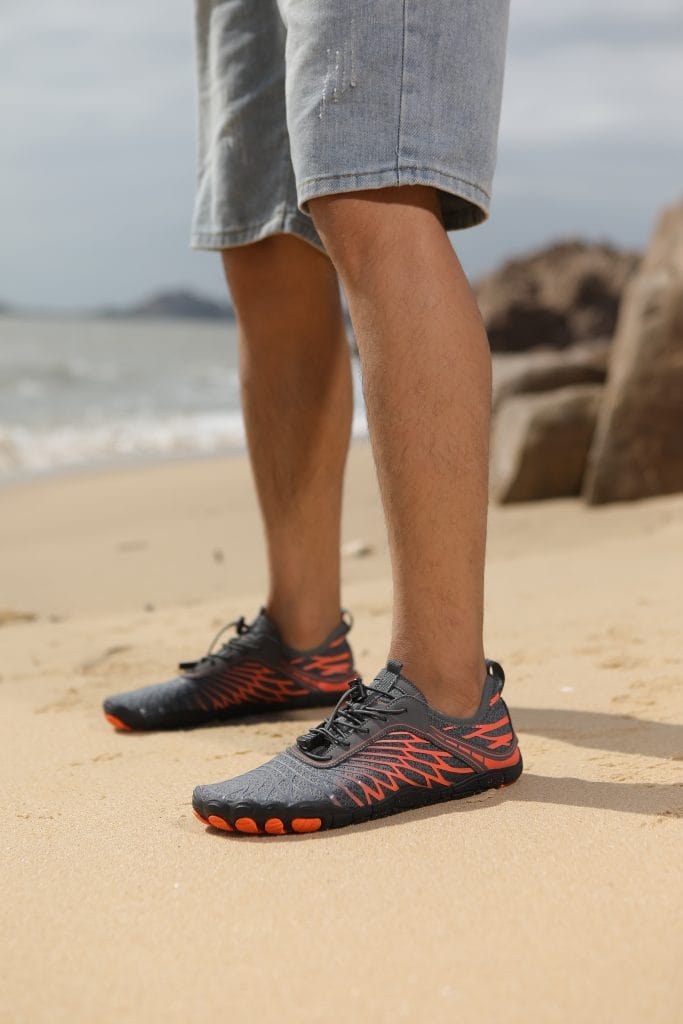
Looking at the design in the image you provided, you can clearly see the defining characteristics of barefoot footwear:
The shoe features a low-profile sole, which keeps your foot close to the ground. This improves your awareness of each step and promotes better balance. Unlike thick-soled sneakers, there is no excessive padding separating your foot from the surface beneath you.
The structure is also highly flexible, allowing the shoe to bend and move with your foot rather than against it. This flexibility is essential because it enables natural foot mechanics, especially during walking, running, or standing for long periods.
Another key element is the wide toe box, which gives your toes enough space to spread out comfortably. Traditional shoes often squeeze the toes together, but barefoot shoes prioritize freedom of movement, reducing unnecessary pressure in that area.
Additionally, the material used is typically lightweight and breathable, making the shoe feel almost like a second skin. This reduces fatigue and allows for longer wear without discomfort.
In simple terms, barefoot shoes are not just another type of sneaker. They represent a shift away from artificial support systems and toward natural movement, improved alignment, and long-term comfort.
They are designed for people who want their footwear to work with their body, not against it.
Click Here To Get Barefoot Shoes At A Discounted Price Today
Design & Build Quality of Barefoot Shoes: A Closer Look at Craftsmanship and Structure
When it comes to barefoot shoes, the design is not accidental or purely aesthetic. Every element is intentionally engineered to support natural movement while maintaining durability and everyday usability. The construction focuses on simplicity, but behind that simplicity is a carefully balanced combination of materials, structure, and flexibility.
Starting with the upper, barefoot shoes are typically crafted from lightweight, breathable mesh or knit-based synthetic fabrics. This material choice serves a clear purpose. It allows continuous airflow around the foot, preventing heat buildup during long hours of wear. At the same time, it maintains enough structure to keep the foot secure without feeling restrictive. The texture often adapts to the shape of your foot, giving it a more personalized fit over time.
Moving down to the sole, this is where barefoot shoes truly separate themselves from traditional footwear. Instead of thick cushioning layers, the sole is designed to be thin yet resilient. It provides just enough protection against rough surfaces while preserving ground feedback. This direct connection to the ground is essential because it encourages natural balance and controlled movement.
The outsole is usually made from high-quality rubber with strategically placed grip patterns. In the image you provided, you can notice how the sole includes segmented sections. This design allows the shoe to bend freely in multiple directions, mimicking the natural flex of the human foot. It also enhances traction, helping maintain stability across different surfaces without relying on bulky materials.
Another important aspect of the build is the zero-drop structure, meaning there is no height difference between the heel and the toe. This keeps your posture aligned in a neutral position, unlike conventional shoes that elevate the heel and shift your body forward. The result is a more balanced stance and a more natural walking pattern.
The interior of barefoot shoes is intentionally minimal. Instead of thick, overly cushioned insoles, the inside is kept simple and responsive, allowing your feet to engage actively with each step. This design encourages your foot muscles to work naturally, rather than becoming dependent on artificial support.
Attention to detail can also be seen in the finishing elements. Reinforced stitching, flexible lacing systems, and slip-resistant outer layers all contribute to durability without adding unnecessary weight. The goal is to create a shoe that feels almost unnoticeable on your foot, yet remains strong enough for daily use.
In essence, the build quality of barefoot shoes is centered around function over excess. Every material, every layer, and every design choice works together to deliver a lightweight, flexible, and natural footwear experience.
Key Functional Attributes of Barefoot Shoes (Barefoot shoes Reviews)
To fully understand why barefoot shoes are gaining attention, it is important to look at the core attributes that define their structure and performance:
✔ Flexible Natural-Motion Sole: The sole is designed to bend and move in multiple directions, closely following the natural motion of the foot. Unlike stiff traditional soles, this structure allows unrestricted movement during walking, running, or standing.
✔ Wide Toe Box Construction: The front of the shoe is intentionally wider than standard footwear. This gives the toes enough room to spread naturally without being compressed, maintaining the foot’s original shape.
✔ Zero-Drop Alignment Design: There is no elevation difference between the heel and the forefoot. This flat structure keeps the body in a neutral position, supporting a more natural stance and walking pattern.
✔ Lightweight Build Structure: Barefoot shoes are constructed using materials that significantly reduce overall weight. This makes the shoes feel less bulky and easier to wear for extended periods.
✔ Breathable Upper Material: The upper section is typically made from air-permeable fabrics that allow continuous airflow. This helps maintain a dry and balanced internal environment inside the shoe.
✔ Thin Protective Outsole Layer: The outsole is kept thin to preserve ground feedback while still offering protection from rough or uneven surfaces. This balance is a key part of barefoot shoe design.
✔ Slip-Resistant Grip Pattern: The bottom of the shoe includes a textured rubber grip designed to improve traction across different surfaces, reducing instability during movement.
✔ Adaptive Fit Construction: The shoe molds gradually to the natural shape of the wearer’s foot. This creates a more personalized and secure fit without the need for rigid internal structures.
✔ Minimal Internal Structure: Inside the shoe, there is limited padding or artificial support. This allows the foot to function naturally rather than relying on built-in assistance.
✔ Durable Yet Flexible Materials: Despite their lightweight design, barefoot shoes are built with materials that maintain durability while still allowing flexibility and motion.
Barefoot Shoes Official Website Here – Buy Now
Do Barefoot Shoes Work? Understanding How They Function
Barefoot shoes work by retraining how your feet interact with the ground, rather than masking discomfort with heavy cushioning or artificial support. Their effectiveness comes from allowing your body to return to its natural movement mechanics, which many traditional shoes tend to restrict over time.
When you wear barefoot shoes, the first noticeable change happens in your walking pattern. Instead of striking the ground heavily with your heel, your foot begins to land more gently, often shifting toward a midfoot or forefoot strike. This adjustment reduces unnecessary impact and distributes pressure more evenly across the foot.
Another important mechanism is sensory feedback. Because the sole is thin, your feet can better “feel” the surface beneath you. This increased awareness helps your brain make small, constant adjustments to maintain balance and stability. Over time, this improves coordination and reduces the likelihood of awkward steps.
Barefoot shoes also activate the muscles within your feet that are often underused in traditional footwear. Since there is minimal internal support, your foot muscles naturally engage to stabilize your body. This gradual activation strengthens the foot structure, which plays a key role in overall movement efficiency.
Posture is another area where these shoes function differently. With a flat, level base, your body remains in a more neutral alignment. This means your ankles, knees, hips, and spine work together more naturally instead of compensating for an elevated heel or rigid sole. As a result, your walking and standing posture becomes more balanced over time.
Additionally, the flexibility of the shoe allows your foot to bend and adapt naturally with each step. This ensures that movement is not restricted, allowing for smoother transitions between steps whether you are walking, running, or standing for extended periods.
It is important to understand that barefoot shoes do not create instant change overnight. Instead, they work gradually by encouraging your body to relearn natural movement patterns. With consistent use, many people begin to notice improved comfort, better balance, and a more effortless walking experience.
In simple terms, barefoot shoes work by supporting your body’s natural design rather than replacing it.
Benefits of Barefoot Shoes: Why More People Are Making the Switch in 2026
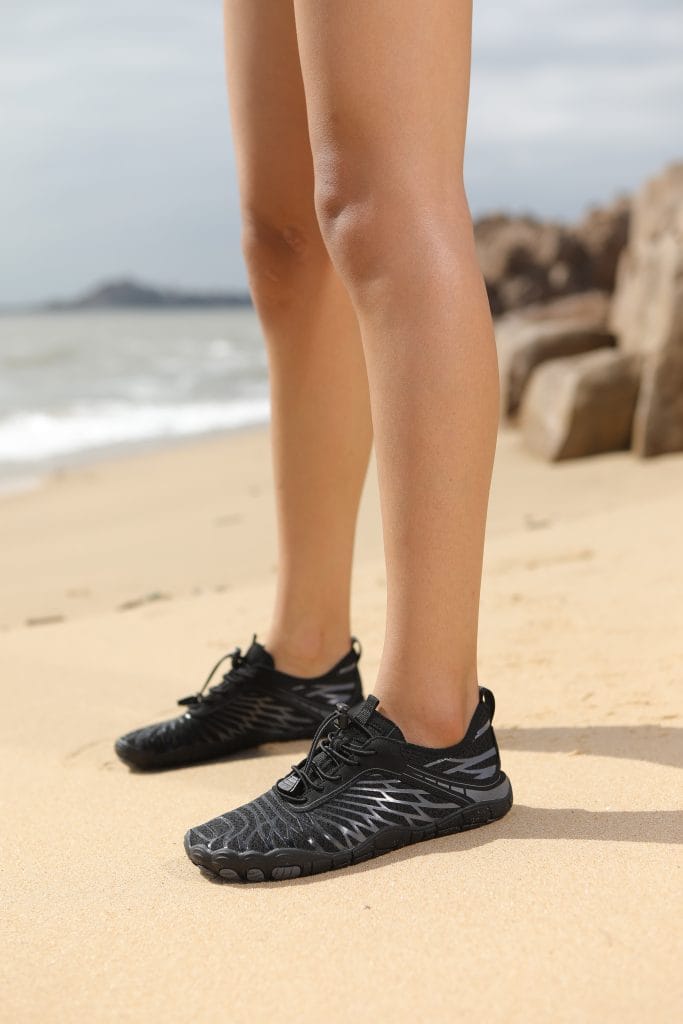
Now that you understand how barefoot shoes function, the real question becomes clear: what do you actually gain from wearing them consistently?
The advantages are not based on temporary comfort alone. Instead, they build gradually, improving how your feet feel, move, and perform in everyday life.
Below are the true benefits of barefoot shoes, clearly separated and professionally explained.
✔ Improved Natural Foot Strength: Unlike traditional shoes that rely on external support, barefoot shoes encourage your feet to do the work themselves. Over time, this leads to stronger foot muscles, which play a crucial role in stability and movement.
✔ Better Balance and Stability: With enhanced ground awareness and a more natural stance, your body becomes better at maintaining balance. This is especially useful when walking on uneven surfaces or standing for long hours.
✔ Reduced Foot Fatigue During Long Hours: Because your weight is distributed more evenly across your foot, there is less concentrated pressure in one area. This helps reduce the tired, heavy feeling many people experience after extended standing or walking.
✔ Enhanced Posture Alignment: A flat, level base allows your body to align naturally from the ground up. This can lead to noticeable improvements in posture, especially for individuals who spend most of their day on their feet.
✔ Increased Comfort Without Bulk: Barefoot shoes provide comfort through natural movement rather than thick padding. This creates a lighter, less restrictive experience that many users find more comfortable over time.
✔ Greater Freedom of Movement: Your feet are no longer confined to a narrow or rigid structure. This freedom allows for smoother, more natural steps, whether you are walking, exercising, or performing daily tasks.
✔ Support for Common Foot Conditions: Many people dealing with issues like plantar fasciitis, bunions, or general foot discomfort find relief when switching to barefoot shoes, as the design reduces pressure and promotes natural alignment.
✔ Lower Risk of Slips and Instability: With improved grip and better foot control, barefoot shoes can help reduce the chances of slipping, especially on smooth or slightly wet surfaces.
✔ Energy Efficiency in Movement: A lighter shoe means less effort is required with each step. Over time, this can make walking or standing feel less exhausting, particularly for individuals with active lifestyles.
✔ Long-Term Foot Health Support: Perhaps the most important benefit is the long-term impact. By allowing your feet to function naturally, barefoot shoes contribute to healthier movement patterns that can support overall mobility as you age.
Who Should Use Barefoot Shoes? (Barefoot Shoes Reviews)
Barefoot shoes are not designed for just one specific group of people. Their value comes from how they adapt to different lifestyles, needs, and daily routines. However, to truly understand their impact, it is important to identify who benefits the most from making the switch.
This section goes beyond general statements and clearly explains the types of individuals who are most likely to experience real, noticeable results.
✔ People Who Stand or Walk for Long Hours Daily: If your daily routine involves being on your feet for extended periods, such as in healthcare, retail, construction, or field work, barefoot shoes can offer a more natural and less restrictive experience. Instead of relying on heavy cushioning that compresses over time, these shoes allow your feet to distribute pressure evenly, reducing the feeling of exhaustion at the end of the day.
✔ Individuals Experiencing Regular Foot Discomfort: Those dealing with ongoing discomfort such as heel pain, arch strain, or general soreness often find barefoot shoes helpful because they remove the restrictive elements that can worsen these issues. By allowing the foot to move naturally, pressure points are minimized, and the foot is no longer forced into unnatural positions.
✔ People Looking to Improve Posture and Body Alignment: Posture is directly connected to how your feet interact with the ground. Barefoot shoes provide a flat, balanced base that supports a more natural alignment from the feet up through the knees, hips, and spine. This makes them a practical choice for individuals who are actively trying to correct posture-related issues.
✔ Active Individuals and Fitness Enthusiasts: For those who engage in walking, light running, gym workouts, or outdoor activities, barefoot shoes offer flexibility and responsiveness that traditional athletic shoes may lack. They allow the foot to move freely, which can improve control and awareness during movement-based activities.
✔ People With Wide Feet or Toe Discomfort: Many individuals struggle with tight-fitting shoes that compress the toes, leading to discomfort or conditions like bunions. Barefoot shoes, with their wider front design, provide the necessary space for toes to spread naturally, making them a more comfortable option for this group.
✔ Anyone Seeking Lightweight Everyday Footwear: Some people simply want a shoe that feels less bulky and easier to wear throughout the day. Barefoot shoes are ideal in this case because of their lightweight construction, making them suitable for casual use, travel, and daily errands without feeling heavy or restrictive.
✔ Individuals Focused on Long-Term Foot Health: For people who are thinking beyond short-term comfort and want to maintain mobility as they age, barefoot shoes offer a proactive approach. By encouraging natural movement and muscle engagement, they support healthier foot function over time.
✔ People Transitioning Away From Traditional Footwear: If you are beginning to question the comfort or effectiveness of heavily cushioned shoes, barefoot shoes provide an alternative that focuses on simplicity and natural mechanics. They are often chosen by individuals looking for a more intentional and body-aware walking experience.
How To Use Barefoot Shoes Properly (Step-by-Step Guide for Best Results)
Using barefoot shoes is simple on the surface, but getting the best results requires a proper approach, especially if you are transitioning from traditional footwear. Because these shoes work by encouraging natural movement, your body needs a short adjustment period to fully adapt.
Below is a clear, beginner-friendly step-by-step guide to help you use barefoot shoes effectively and comfortably.
Step 1: Start With Short Wear Time: Do not rush into wearing barefoot shoes all day immediately. Begin by using them for short periods, such as 1 to 2 hours daily. This allows your feet to gradually adapt to the new movement pattern without strain.
Step 2: Wear Them on Easy Surfaces First: Start by walking on smooth, even surfaces like indoor floors, pavements, or flat outdoor areas. This helps your feet get used to the ground feel without added stress from uneven terrain.
Step 3: Focus on Natural Walking Form: Instead of forcing your steps, allow your feet to move naturally. Keep your steps light and controlled. Over time, your body will automatically adjust your walking pattern for better balance and comfort.
Step 4: Gradually Increase Usage Time: As your feet become more comfortable, slowly increase how long you wear the shoes each day. Move from a few hours to half a day, and eventually to full-day use when your body is ready.
Step 5: Listen to Your Body: Mild muscle fatigue is normal during the early stages, but sharp pain is not. If you feel discomfort, reduce usage and give your feet time to recover before continuing.
Step 6: Use Them for Daily Activities: Once adjusted, begin wearing your barefoot shoes during regular activities such as walking, working, shopping, or light exercise. This helps your feet fully integrate the natural movement benefits into your lifestyle.
Step 7: Maintain Proper Foot Hygiene: Since barefoot shoes are breathable and often worn for long periods, keep your feet clean and dry. This ensures comfort and prevents odor buildup over time.
Step 8: Keep the Shoes Clean and Dry: After use, allow the shoes to air out. If needed, clean them using a damp cloth or follow washing instructions to maintain freshness and durability.
MUST SEE: Click Here To Buy Original Barefoot Shoes From The Official Website At Discount Price Today
Are Barefoot Shoes Worth Trying? (Barefoot Shoes Reviews)
Barefoot shoes are worth trying, but the value they offer depends on how well you understand their purpose. Unlike traditional footwear that focuses on thick cushioning and structured support, barefoot shoes are designed to allow your feet to move naturally. This difference is what makes them stand out, but it also means the experience will feel different from what most people are used to.
One of the main reasons people choose barefoot shoes is the sense of freedom they provide. The design removes the tight, restrictive feeling commonly found in regular shoes, allowing the toes to spread and the foot to move more naturally. Over time, this can make walking feel lighter and more controlled, especially for individuals who spend long hours on their feet. Instead of relying on the shoe to absorb all the pressure, the foot gradually becomes more active and engaged during movement.
Another important factor is the lightweight nature of barefoot shoes. Without bulky materials, they are easier to wear throughout the day and do not create the same level of fatigue often associated with heavier footwear. This makes them suitable for daily activities such as walking, working, or running errands, where comfort and ease of movement are essential.
However, it is important to approach barefoot shoes with realistic expectations. They do not provide instant softness or cushioning, and the transition can take time. If you are used to heavily padded shoes, your feet may need a short adjustment period as they begin to adapt to a more natural way of moving. This process is normal and should be gradual to avoid unnecessary discomfort.
In the long run, barefoot shoes offer a different kind of comfort, one that comes from natural movement rather than artificial support. For individuals who are open to trying something new and are willing to allow their body time to adjust, they can become a practical and rewarding choice.
In conclusion, barefoot shoes are worth trying because they promote a more natural walking experience, reduce restriction, and support long-term comfort. While they may not deliver immediate results, their real value becomes clear over time through improved movement and everyday ease.
Where To Buy Barefoot Shoes (Official Website Only – Best Price Guide)
If you are planning to buy Barefoot Shoes, the most reliable and recommended place to purchase is directly from the official website. This is not just about convenience, but about ensuring that you receive the original product, correct sizing options, and access to current promotional discounts.
Many buyers make the mistake of searching across third-party platforms, but barefoot shoes, especially models like the Peak Footwear Barefoot Shoes, are typically distributed through direct-to-consumer channels. This allows the brand to maintain product quality, offer better pricing, and provide customer guarantees without interference from resellers.
When you order directly from the official source, you are guaranteed to receive a genuine pair of barefoot shoes that matches the design, materials, and specifications described. You also gain access to exclusive discounts, which are often not available anywhere else.
Another important advantage is the money-back guarantee. If the shoes do not meet your expectations, the official store usually provides a straightforward return or refund process. This reduces the risk and gives you confidence when trying the product for the first time.
In addition, official orders often include bundle deals and seasonal discounts, especially during promotional periods. These offers can significantly reduce the cost per pair, making it a better long-term investment.
Below is a typical pricing structure currently available through the official website:
Single Pair Offer
Original Price: $139.99
Discounted Price: $49.99
You Save: 64%
Best Value Bundle (Most Popular)
2 Pairs Package
Original Price: $279.98
Discounted Price: $89.98
You Save: 68%
Cost Per Pair: $44.99
Family Pack Offer
3 Pairs Package
Original Price: $419.97
Discounted Price: $119.97
You Save: 71%
Cost Per Pair: $39.99
How To Order From the Official Website
Ordering is simple and takes just a few steps:
Step 1: Visit the official Barefoot Shoes website
Step 2: Choose your preferred size and color
Step 3: Select your package option (single or bundle deal)
Step 4: Enter your delivery details securely
Step 5: Confirm your order and wait for delivery
Frequently Asked Questions About Barefoot Shoes (Barefoot Shoes Reviews)
Why Are Barefoot Shoes Becoming Popular In 2026?
Barefoot shoes are gaining attention because more people are moving away from restrictive footwear and choosing options that feel lighter and more natural. Instead of forcing the foot into a fixed position, these shoes allow natural movement, which many users find more comfortable for everyday wear. This shift is not just about style; it is about choosing footwear that aligns better with how the body is designed to move.
Can Barefoot Shoes Improve Everyday Comfort For Long Hours?
Yes, barefoot shoes are designed to support extended wear without the heavy, bulky feeling found in many traditional shoes. Their lightweight structure and natural fit help reduce pressure buildup, making them a practical choice for people who walk or stand for long periods. Many users notice that their feet feel less restricted and more relaxed as the day goes on.
Are Barefoot Shoes Suitable For People With Sensitive Feet?
Barefoot shoes are often chosen by individuals who want to avoid tight or stiff footwear. The wider front design allows more space for the toes, which can make a noticeable difference for those who experience discomfort in narrow shoes. With proper transition, they can provide a more accommodating and comfortable fit.
How Quickly Can You Start Noticing The Difference With Barefoot Shoes?
Some users feel a difference in flexibility and freedom almost immediately, especially when walking. However, the deeper benefits, such as improved comfort during long hours, become more noticeable after consistent use. The key is gradual adaptation, allowing your feet to adjust naturally without rushing the process.
Do Barefoot Shoes Feel Too Thin Or Uncomfortable At First?
For first-time users, the thinner sole may feel different compared to heavily cushioned shoes. However, this design is intentional and becomes more comfortable as your feet adapt. Instead of relying on padding, the comfort comes from natural movement and reduced restriction.
Are Barefoot Shoes A Good Option For Daily Activities And Work?
Barefoot shoes are well-suited for daily routines, including walking, commuting, and casual work environments. Their lightweight design and flexible structure make them easy to wear throughout the day without feeling heavy or limiting movement.
Will Barefoot Shoes Fit Different Foot Shapes Comfortably?
Yes, barefoot shoes are designed to adapt to different foot shapes. The structure allows for natural spacing and movement, which makes them suitable for a wide range of users. This adaptability is one of the reasons they are becoming a preferred choice for everyday footwear.
How Durable Are Barefoot Shoes For Regular Use?
Despite their lightweight feel, barefoot shoes are built with materials that are designed to handle regular use. The flexible sole and reinforced upper construction ensure that the shoes maintain their shape and performance over time.
Are Barefoot Shoes Easy To Maintain And Keep Clean?
Yes, maintaining barefoot shoes is simple. Most can be cleaned with a damp cloth for everyday dirt, and many are designed to handle deeper cleaning when necessary. Keeping them clean helps preserve their look and overall comfort.
What Makes Barefoot Shoes A Smart Purchase Right Now?
Barefoot shoes are becoming a popular choice because they combine comfort, simplicity, and modern design. With current promotional offers available through official channels, they provide a good balance between value and everyday usability, making this a practical time to try them.
Final Verdict on Barefoot Shoes: Should You Make the Switch in 2026?
Barefoot shoes represent a clear shift away from conventional footwear toward something more natural and intentional. Instead of relying on heavy cushioning and rigid support, they are built around the idea that your feet perform better when they are allowed to move freely. This approach may feel unfamiliar at first, but it offers a more balanced and grounded experience over time.
What stands out most about barefoot shoes is their ability to change how you move on a daily basis. Walking becomes lighter, posture feels more aligned, and your feet are no longer confined to narrow or restrictive spaces. These changes are not instant, but they develop gradually as your body adapts to a more natural way of moving.
It is also important to recognize that barefoot shoes are not designed for quick fixes. They require patience, especially during the transition phase. However, for those who stay consistent, the long-term experience tends to be more rewarding than traditional footwear that focuses only on temporary comfort.
In terms of practicality, barefoot shoes fit well into everyday life. They are lightweight, easy to wear, and suitable for a wide range of activities, from casual outings to long hours of standing or walking. This makes them a reliable option for individuals looking for both simplicity and function in their footwear.
Rating: 4.7 / 5
Barefoot shoes earn a strong rating based on their design, comfort over time, and ability to support natural movement. The only limitation is the adjustment period required for new users, which may take a few days to weeks depending on individual habits.
Click Here To Buy Barefoot shoes Directly From The Official Website At Lowest Price Today